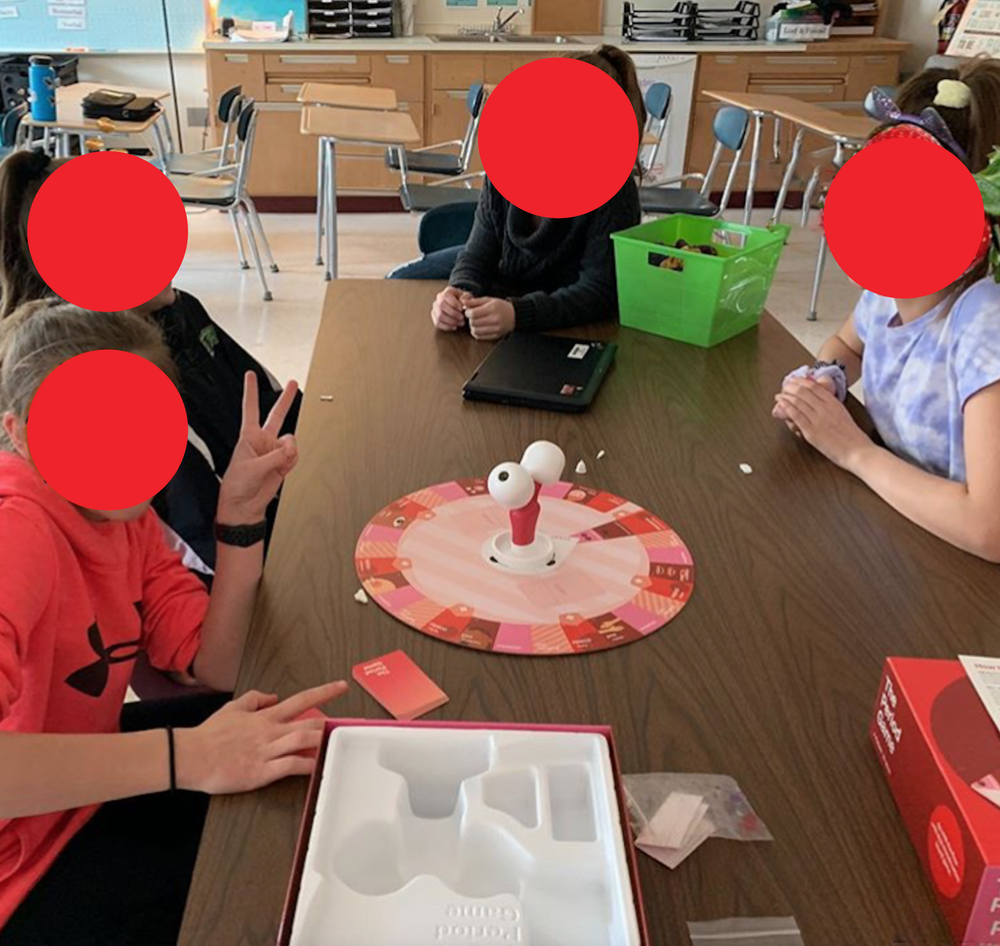
Our Mission
76% of women ages 16–24 felt embarrassed learning about periods in school, according to a 2017 Betty For Schools study. We can do better.
The Period Game replaces an awkward conversation with fun. Players learn what's actually happening in menstruating bodies and how to go with the flow. By the end of a game words like "period" and "tampon" just aren't a big deal anymore. That's the point: make them easy to say here, so they're easy to say everywhere else too.
Our mission is to make young people's first experience with menstruation a positive one, to help demolish the period stigma before it even starts.
Our Story
It started in 2014 as a class project at RISD, when Daniela Gilsanz and Ryan Murphy got assigned to make a game about the body. We went straight for periods, figuring play was the fastest way to turn an awkward topic into a safe, curious one.
Even our art-school classmates in their 20s got squeamish at first. Which, honestly, said it all. But we watched them relax as they played, and knew we were onto something.
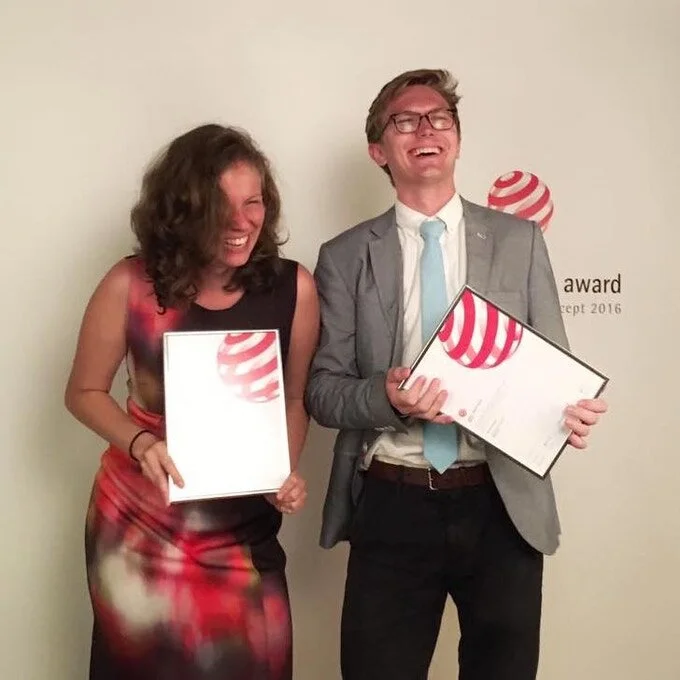
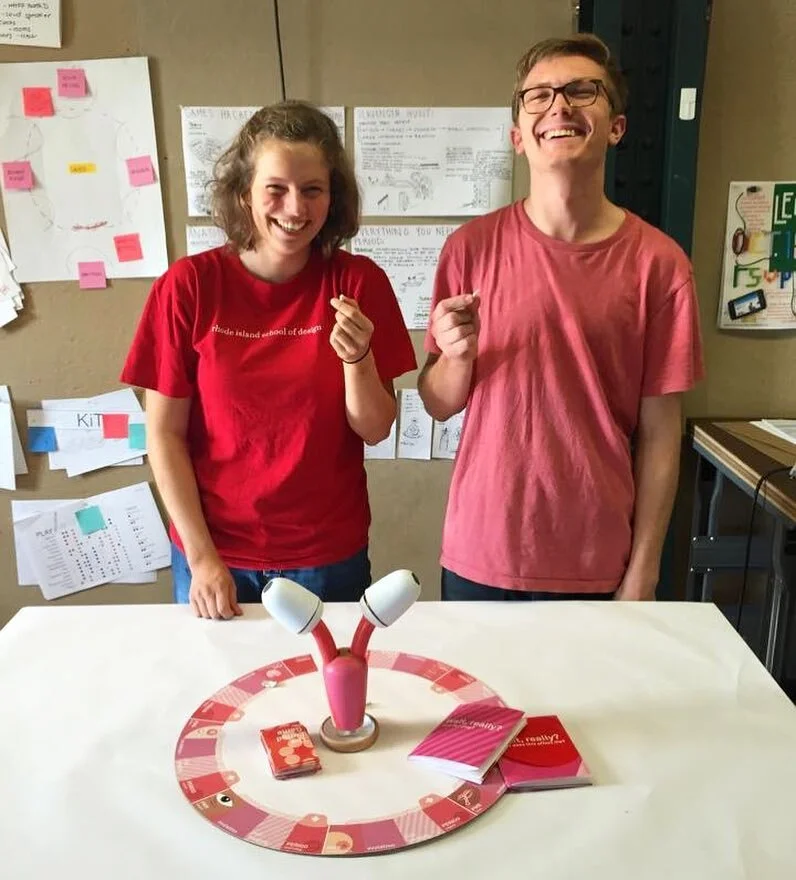
Post-grad, we tested it on hundreds of kids, plus gynecologists, sex educators, and puberty experts. The results? Kids shouting "I got my period!" with pride. One invented a period dance. Another finally got what her PMS was about. A nine-year-old tried to buy it on the spot.
We trimmed gameplay to 20–30 minutes — lesson-plan-friendly, with room for discussion — and built a mass-producible design. Press followed: HuffPost, Boston Globe, ScaryMommy, Teen Vogue. Then a killer Kickstarter.
After months of late-night emails to China and a whole lot of community love, The Period Game was real, selling out to classrooms and homes everywhere.